
Summary
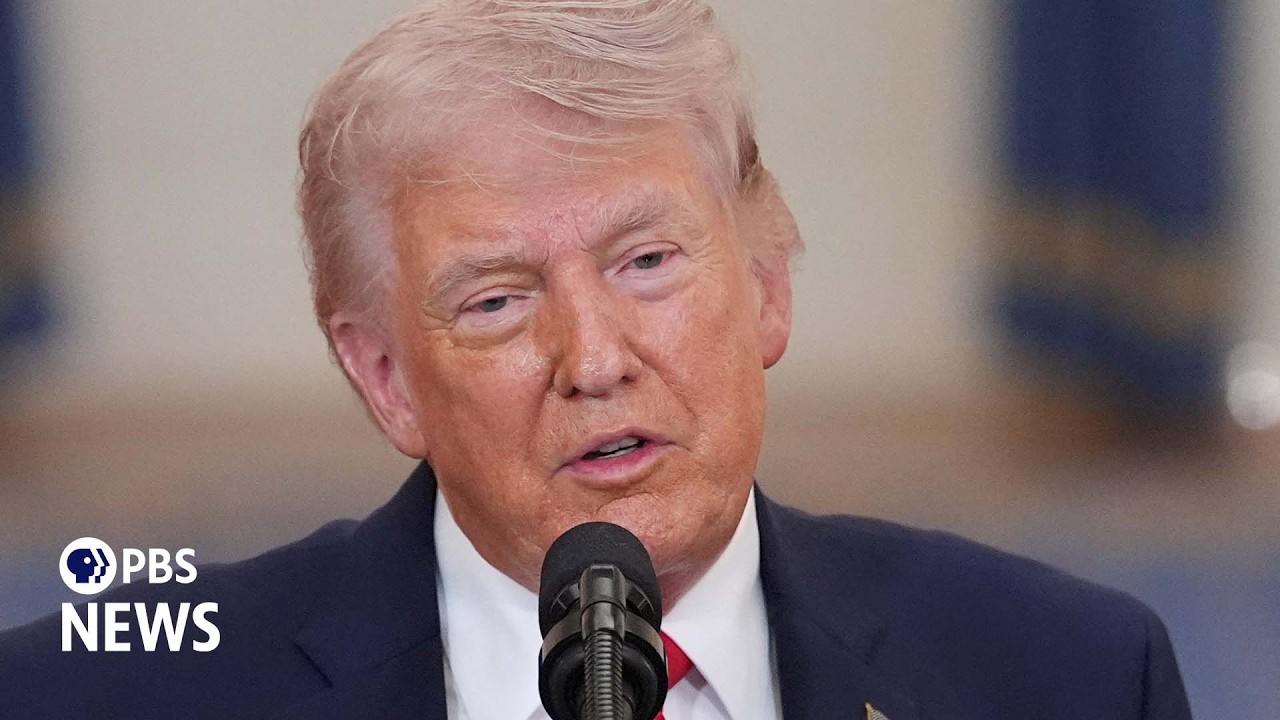
The **US President Donald Trump** has announced that **Israel** and **Lebanon** have agreed to extend their ceasefire by three weeks, following a meeting between the two countries' ambassadors to the United States. The meeting, which took place in the US, was described as 'very well' by Trump. This development comes as a relief to the region, which has been plagued by conflict and instability. The extension of the ceasefire is seen as a positive step towards reducing tensions between **Israel** and **Lebanon**, and could potentially pave the way for further negotiations. For more information on the history of the conflict, see [[israel-lebanon-conflict|Israel-Lebanon Conflict]]. The role of the **US** in brokering this agreement is also significant, as it highlights the country's continued involvement in Middle Eastern affairs. See [[us-middle-east-policy|US Middle East Policy]] for more on this topic.
Key Takeaways
- The ceasefire between Israel and Lebanon has been extended by three weeks
- The agreement was brokered by the US
- The extension of the ceasefire is a positive development, but it is unclear how long it will last
- The US has been involved in the negotiations, but its role is not without controversy
- The international community will be watching closely to see how the situation develops
Balanced Perspective
The extension of the ceasefire is a temporary measure that does not address the underlying issues between **Israel** and **Lebanon**. While it is a positive development, it is unclear how long the ceasefire will last and what the next steps will be. The **US** has been involved in the negotiations, but its role is not without controversy. See [[us-israel-relations|US-Israel Relations]] for more on this topic. The international community will be watching closely to see how the situation develops, and whether the ceasefire extension will lead to a more lasting peace. The **United Nations** has been working to support a peaceful resolution to the conflict, and its efforts will be crucial in the coming weeks and months. See [[un-peacekeeping-missions|UN Peacekeeping Missions]] for more information.
Optimistic View
The extension of the ceasefire is a significant step towards reducing tensions in the region. **Trump's** involvement in the negotiations has been seen as a positive factor, and the fact that the two countries' ambassadors were able to meet and agree on an extension is a testament to the progress that can be made through diplomacy. See [[trump-middle-east-policy|Trump Middle East Policy]] for more on this topic. With the **US** playing a key role in brokering the agreement, there is hope that a lasting peace can be achieved. The ceasefire extension also provides an opportunity for **Israel** and **Lebanon** to address other pressing issues, such as the **Syrian refugee crisis**. See [[syrian-refugee-crisis|Syrian Refugee Crisis]] for more information.
Critical View
The extension of the ceasefire is a fragile and temporary measure that does not address the deep-seated issues between **Israel** and **Lebanon**. The fact that the ceasefire has been extended by only three weeks suggests that the two countries are not yet ready to commit to a lasting peace. See [[israel-lebanon-relations|Israel-Lebanon Relations]] for more on this topic. The **US** has been criticized for its role in the negotiations, with some arguing that it has not done enough to support a peaceful resolution. The situation in the region remains volatile, and it is unclear what the next steps will be. The **European Union** has also been involved in efforts to support a peaceful resolution, and its role will be important in the coming weeks and months. See [[eu-middle-east-policy|EU Middle East Policy]] for more information.
Source
Originally reported by The Guardian