
Summary
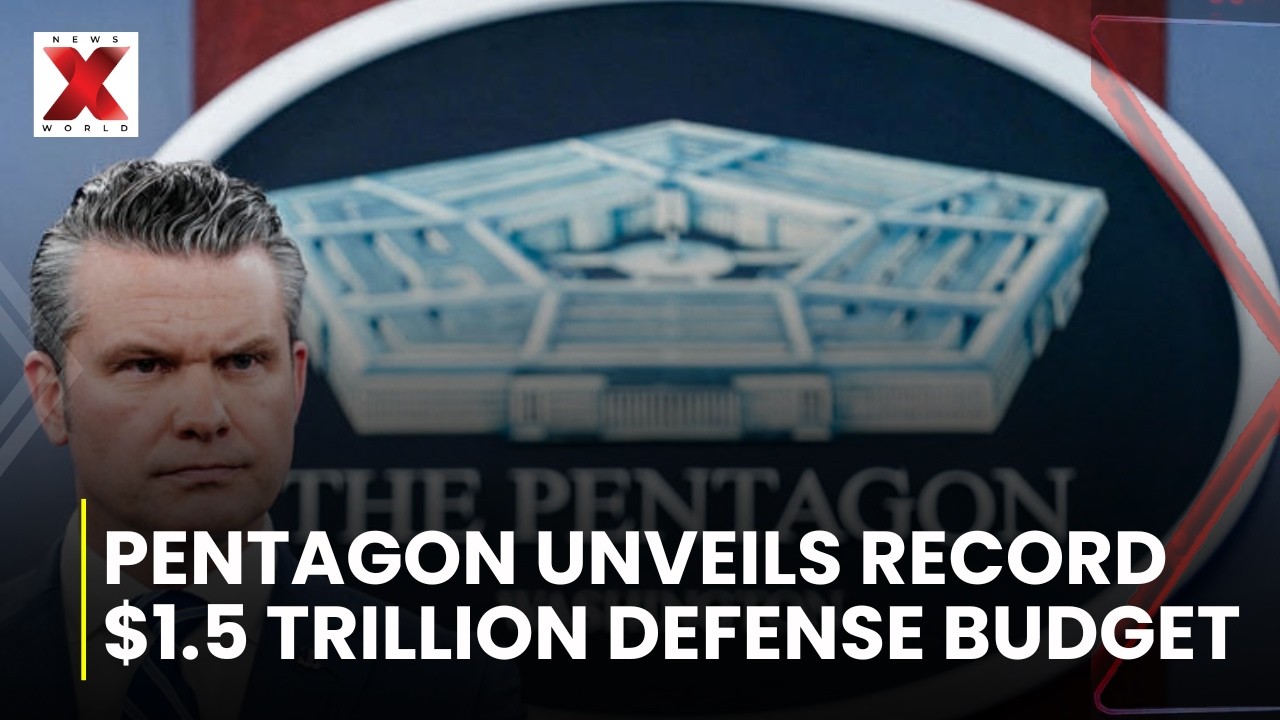
The proposed budget is a significant increase from previous years, with **$1.5 trillion** exceeding the current budget by **10%**. This increase is largely driven by the need to modernize the **US military** and address emerging threats from **cybersecurity** and **artificial intelligence**. The White House argues that the increased spending is necessary to maintain **US military superiority** and protect national interests. However, critics argue that the budget prioritizes **military spending** over **domestic programs**, potentially exacerbating social and economic inequalities. For insight into the impact of military spending on the economy, see [[military-spending-and-economy|Military Spending and Economy]].
Key Takeaways
- The White House has requested $1.5 trillion for defense in 2027
- The proposed budget is the highest level in modern history
- The budget request has significant implications for US national security, fiscal policy, and global relations
- The budget request raises questions about the role of US military presence in regions like the Middle East and Asia
- Concerned citizens can contact their representatives and support organizations that promote peace and development
Balanced Perspective
The **$1.5 trillion** defense budget request is a complex issue with both positive and negative aspects. On one hand, the increased spending can help **modernize the US military** and address emerging threats. On the other hand, it may lead to **fiscal challenges** and **opportunity costs** for other government programs. The budget request also raises questions about the **efficiency** and **effectiveness** of US defense spending, with some arguing that the money could be better spent on **diplomacy** and **development**. For a balanced view on the budget, see [[defense-budget-debate|Defense Budget Debate]].
Optimistic View
The proposed **$1.5 trillion** defense budget request demonstrates the White House's commitment to **US national security** and **global stability**. By investing in **military modernization** and **cybersecurity**, the US can maintain its position as a global leader and protect its interests. This budget also presents opportunities for **US defense contractors** to innovate and create new technologies, driving economic growth and job creation. As noted by [[jim-inhofe|Jim Inhofe]], Chairman of the Senate Armed Services Committee, the budget request is a crucial step towards ensuring **US military readiness**. For more on the role of defense contractors, visit [[us-defense-contractors|US Defense Contractors]].
Critical View
The proposed **$1.5 trillion** defense budget request is a concerning development that prioritizes **military spending** over **domestic needs**. The increased spending will likely exacerbate the **national debt** and divert resources away from critical programs like **education**, **healthcare**, and **infrastructure**. Furthermore, the budget request may escalate **global tensions** and prompt an **arms race** with other nations, potentially leading to **conflict** and **instability**. As warned by [[bernie-sanders|Bernie Sanders]], the budget request is a step towards **militarism** and **imperialism**. For more on the risks of militarism, visit [[militarism-and-its-risks|Militarism and Its Risks]].
Source
Originally reported by Facebook