Iran Threatens to Attack US Tech Firms in Retaliation for Ongoing
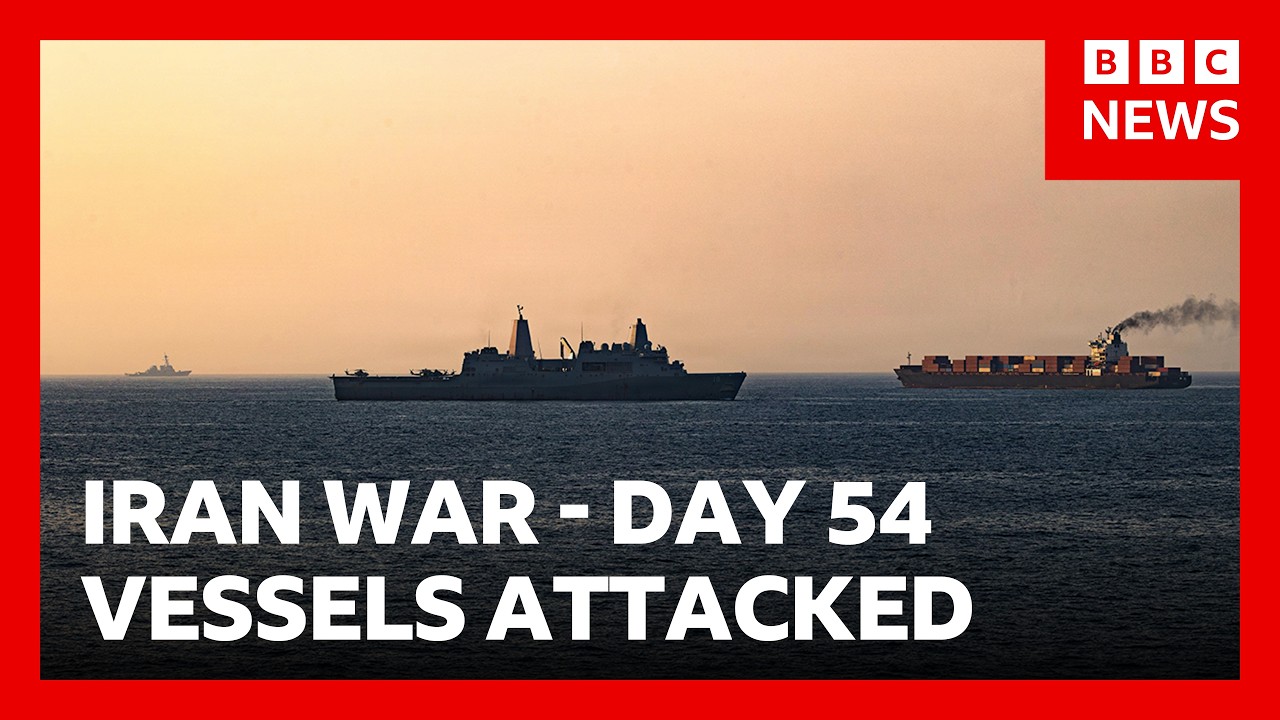
The IRGC's threats highlight the US Defense Department's reliance on commercial vendors with operations in the region, such as **Palantir**, which builds the da
Summary
The IRGC's threats highlight the US Defense Department's reliance on commercial vendors with operations in the region, such as **Palantir**, which builds the data architecture for the Pentagon's **Project Maven** artificial intelligence program. The conflict has also raised concerns about the use of **drones** and **artificial intelligence** in military operations. As the situation continues to unfold, it is essential to consider the perspectives of all parties involved, including [[iranian-citizens|Iranian citizens]], [[us-service-members|US service members]], and [[regional-governments|regional governments]]. For more information on the use of drones in military operations, see [[drones-in-warfare|Drones in Warfare]].
Key Takeaways
- The IRGC has released a target list of over a dozen major US tech companies
- The IRGC has accused these companies of enabling US military targeting operations
- Iranian drones struck Amazon Web Services data centers in the United Arab Emirates and Bahrain
- The conflict has resulted in the deaths of approximately 2,000 Iranians and at least 13 US service members
- The US has paused strikes on Iran's energy infrastructure to explore potential peace talks
Balanced Perspective
The situation is complex, with multiple factors at play. The IRGC's threats against US tech companies are a response to the killing of Iranian citizens, but they also highlight the US Defense Department's reliance on commercial vendors. The conflict has resulted in significant loss of life and has the potential to disrupt critical shipping routes. It is essential to consider the perspectives of all parties involved and to seek a peaceful resolution to the conflict. For more information on the conflict, see [[middle-east-conflict|Middle East Conflict]].
Optimistic View
The IRGC's threats may be a negotiating tactic to pressure the US and Israel to cease military operations. The fact that the US has paused strikes on Iran's energy infrastructure to explore potential peace talks suggests that there may be a willingness to negotiate a peaceful resolution. Additionally, the involvement of companies like **Palantir** and **Amazon Web Services** highlights the importance of private sector entities in supporting military operations, and may lead to increased cooperation between the US government and tech companies to address the conflict. For more information on the role of tech companies in military operations, see [[tech-companies-in-warfare|Tech Companies in Warfare]].
Critical View
The IRGC's threats against US tech companies are a serious escalation of the conflict and may lead to further violence and instability in the region. The fact that the US has paused strikes on Iran's energy infrastructure does not necessarily mean that a peaceful resolution is imminent, and the involvement of companies like **Palantir** and **Amazon Web Services** may actually increase the risk of conflict. The use of drones and artificial intelligence in military operations also raises concerns about the potential for unintended consequences and the need for increased transparency and accountability. For more information on the use of drones in military operations, see [[drones-in-warfare|Drones in Warfare]].
Source
Originally reported by WIRED